While my husband worked on repairing some damage on my future “She shed” I walked around and collected some edible plants growing around our property. I’m learning so much every week. To think all this time, here I was walking around all these plants and had no idea how special they were.
There is a legend about the Dogwood and Jesus.
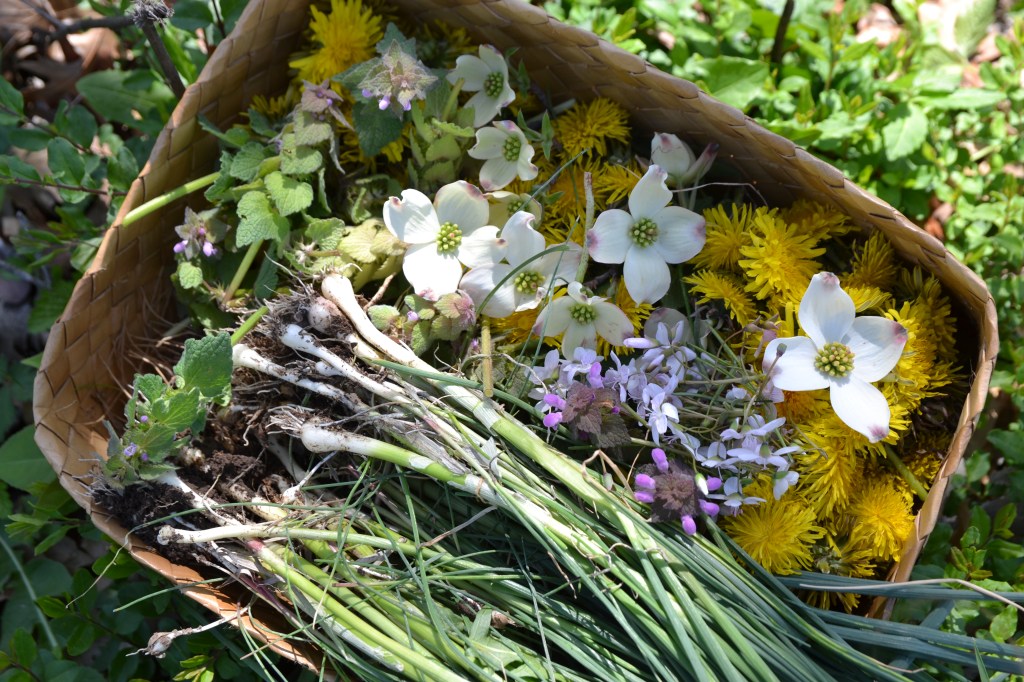
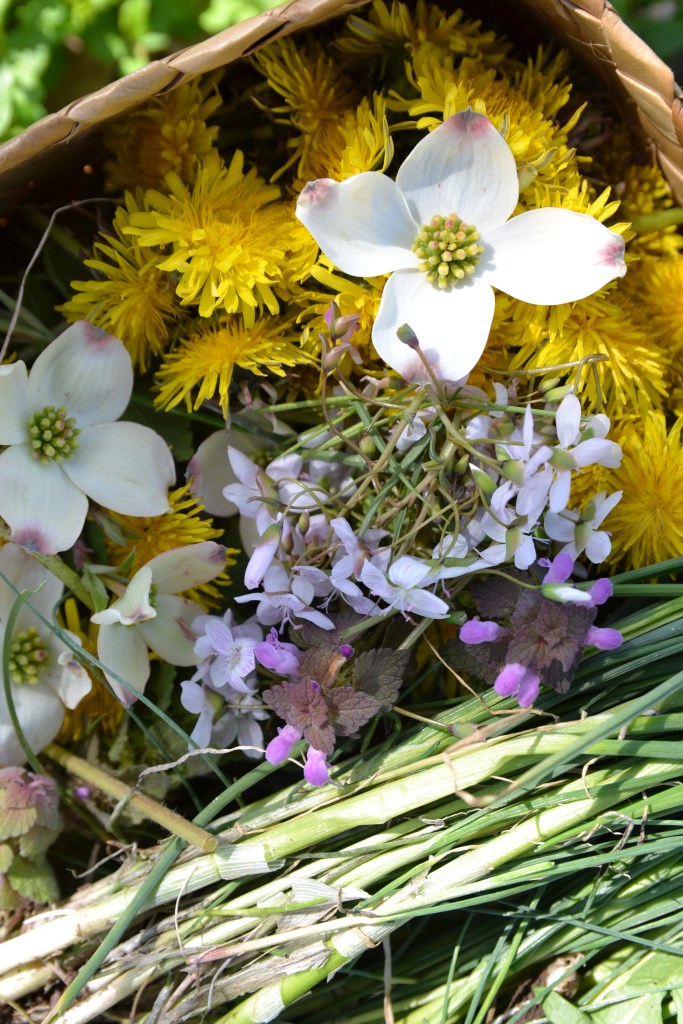
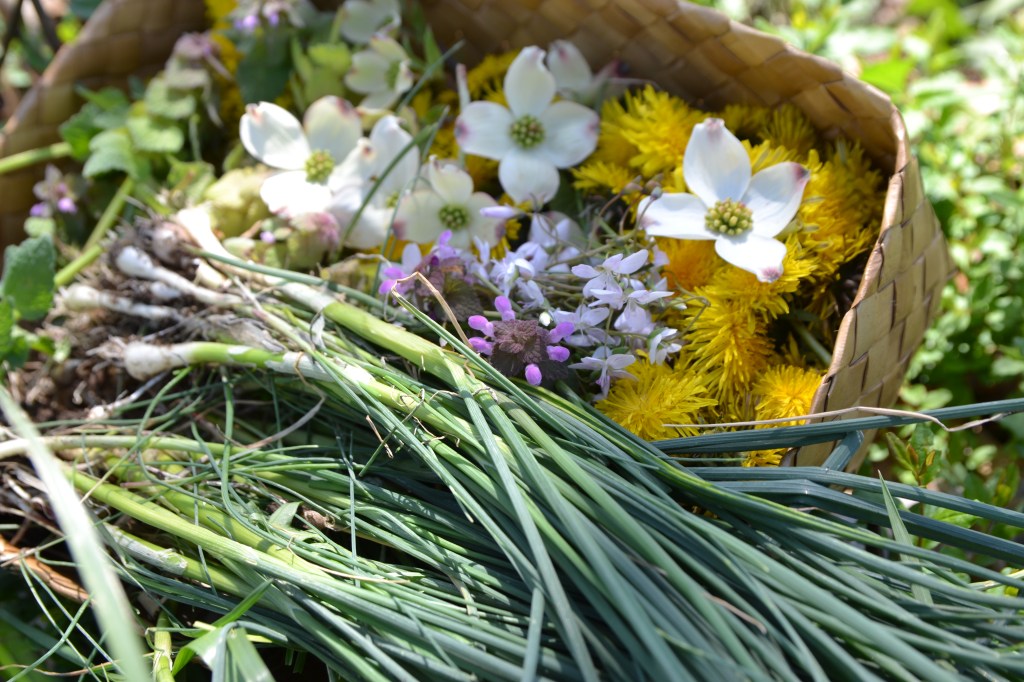
Everything is in bloom now. Before the heat comes I have to get to work foraging. I found wild onions, Purple deadnettle, Grape Hyacinth, Sweet Beauties which is woodland plant, Dandelions, and Dogwood. These were just the flowers I found.
I bought this book for 50 cents at the library bookstore. I’ve been learning about so many plants, having fun on my walks trying to find the plants I’m reading about. I thought I share a little knowledge with you all on that as well.
When foraging check the rules/laws with your park services first to see if allowed in certain areas. Or you can just do what I did and forage on private land that you own. You can also check with a neighbor or a friend that has land.
I need to go back to the property to forage some more because I saw so much more I need to research. Look up all these plants for their edible and medicinal values. If pregnant, nursing, or on medications please check with your health care providers before foraging and eating natural edibles.
Make sure you research really well before using anything for food, as there are many similar plants that may not be edible. Also make sure that you forage organic plants that have not been treated with chemicals of any kind.
Most people see these as only weeds, but you should have seen all the bees enjoying these flowers.. Bees know a good thing when they see one. There are no chemicals used on my plants.
You can dry your edibles and store them longer, or make into teas as well. Happy foraging everyone.
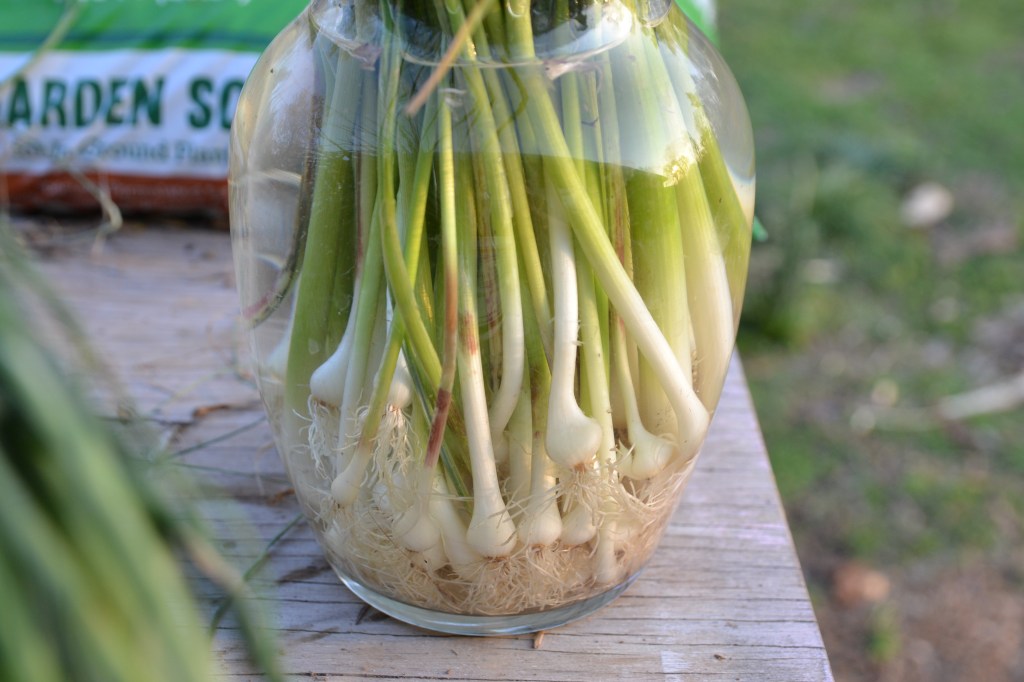
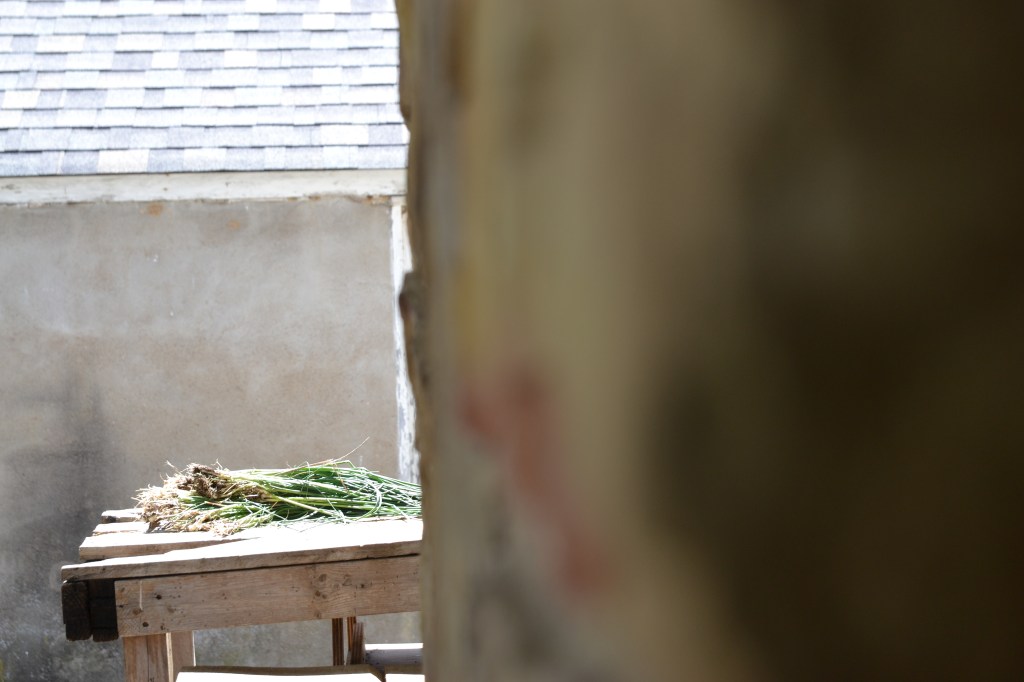
I love how the light hits the petals of this Dogwood. Purple deadnettle. Native Americans used to make a salve of this plant and it was used for cuts and wounds. It is also used for it’s anti-inflammatory, antibacterial and anti-fungal properties. It’s one of the first edible plants to flower in the Ozarks.I decided at the last minute to forage and only had one basket, I don’t recommend mixing wild onions with your edible flowers. I eventually searched through my husband’s truck and found a bag to collect the onions in and left the basket for all the flower plants. Drying Dandelions..Wild onions contain Lutein and Folate which may help with memory and Alzheimers. Great for eye health. This was just a small bunch for the week. There are still wild onions all over the place. The rains came and everything just popped up.Wild onions are a prebiotic that helps support gut health, nourishing beneficial bacteria. A good place to drop off some onions to look for a bag to put them in. This is what they call natural shopping. The beautiful Dogwood. Look up the legend and the story behind the Dogwood tree. The tiny Spring Beauty flowers in this basket were used by the Native Americans as a food source and for medicinal purposes. They would cook the corms (underground stems) like potatoes, they are very crispy and high in starch, the leaves can also be eaten. Powdered roots were used as a cold concoction,The Mulberry tree is starting to grow little leaves.
ASD tips- Foraging is a great way to work on speech, fine motor and gross motor. It’s a fun way to work in some sensory time too. The feel of the plants, the smell, and all the beautiful colors, this makes foraging a fun way to work it into a sensory lesson. Just make sure it is deadnettle and not nettle as nettle plants have stickers that can sting when touched. Children with ASD are hyper sensitive to certain touches.
” And God saw every thing he had made, and, behold, it was very good. And the evening, and the morning were the sixth day, Genesis 1:31







 Our Little Red House